
Blog
Rethinking AI Hesitation in the Utility Sectories

Introduction
Artificial intelligence continues to reshape global industries, yet the electric utility sector remains cautious. Despite AI’s clear benefits in predictive maintenance, outage forecasting, customer engagement, and grid optimization, many utility companies are hesitant to fully embrace it. While this reluctance may be rooted in valid concerns, the risks of delays and maintaining the status quo could prove far greater [1][2].
Across the globe, utilities that embrace artificial intelligence are already realizing measurable gains in reliability, cost efficiency, and customer engagement. From predictive maintenance that cuts outage durations to advanced forecasting that strengthens grid resilience, AI is proving its value in the field. Yet in the United States, many utilities remain locked in cautious debate, held back by legacy systems, regulatory pressures, and cultural inertia. This hesitation carries its own risks: falling behind international peers, losing policy incentives, and facing rising operational costs in a more volatile, decarbonized energy market. As climate threats, distributed energy resources, and electrification accelerate, the choice for utilities is narrowing. The leaders of the next decade will be those who integrate AI early, strategically, and at scale, transforming not only their grids but also their competitive position.
This article explores the underlying reasons for utilities’ reluctance to adopt AI-driven digital solutions, assesses whether these concerns are technically or economically justified, and evaluates the long-term risks for utilities that delay AI integration in an increasingly competitive, decarbonized, and data-centric energy landscape.
1. Why Are Utilities Hesitant About Adopting AI?

Institutional Risk Aversion
Utilities manage critical infrastructure and safety, reliability, and compliance are nonnegotiable. AI systems, especially those involving machine learning, can seem opaque or unpredictable to utility executives. The fear of introducing this kind of uncertainty into regulated operations often results in delayed experimentation and deployment [3].
Legacy Systems and Outdated Infrastructure
Many utilities still depend on infrastructure built decades ago. Integrating AI into these environments is often difficult, as modern analytics platforms rely upon data from old SCADA systems, non-digitized components, and siloed databases. The challenges associated with this complexity creates uncertainty and inflates both technical and financial costs [4].
Talent and Cultural Constraints
Artificial intelligence requires not only data science expertise but a culture of digital agility. Utilities often find it difficult to attract and retain AI professionals, especially when internal structures and workflows are optimized for regulatory compliance rather than continuous innovation [5].
Cybersecurity and Data Governance Concerns
Effective AI solutions require comprehensive data visibility across the utility’s operations and customer base. Expanding access to this data can create concerns around cybersecurity, data privacy, and regulatory exposure [6].
2. Are These Concerns Justified?

To some extent, yes. Implementing AI to leverage it across utility operations is not easy or risk-free. It demands robust data pipelines, model transparency, rigorous testing, and long-term governance / oversight. Failure to manage these elements can lead to inaccurate results or reputational harm [7].
However, the growing success of AI in forward-thinking utilities demonstrates that these barriers can be overcome. Overseas companies like Enel and KEPCO have proven that AI can enhance grid reliability, reduces costs, and improves customer service when integrated with care and strategic intent [8][9]. Similarly, US firms like Duke Energy, FPL and AES are at the forefront of innovation in integrating AI capabilities within their core Operations, Asset Management and Customer Services.
Hesitation can lead to inertia, which becomes a major obstacle to change. In a power system rapidly evolving due to distributed energy resources, EV integration, and the need to boost resilience to climate-related threats, the risks of inaction can eclipse those of innovation [10].
3. What Are the Consequences of Inaction?
Falling Behind International Peers
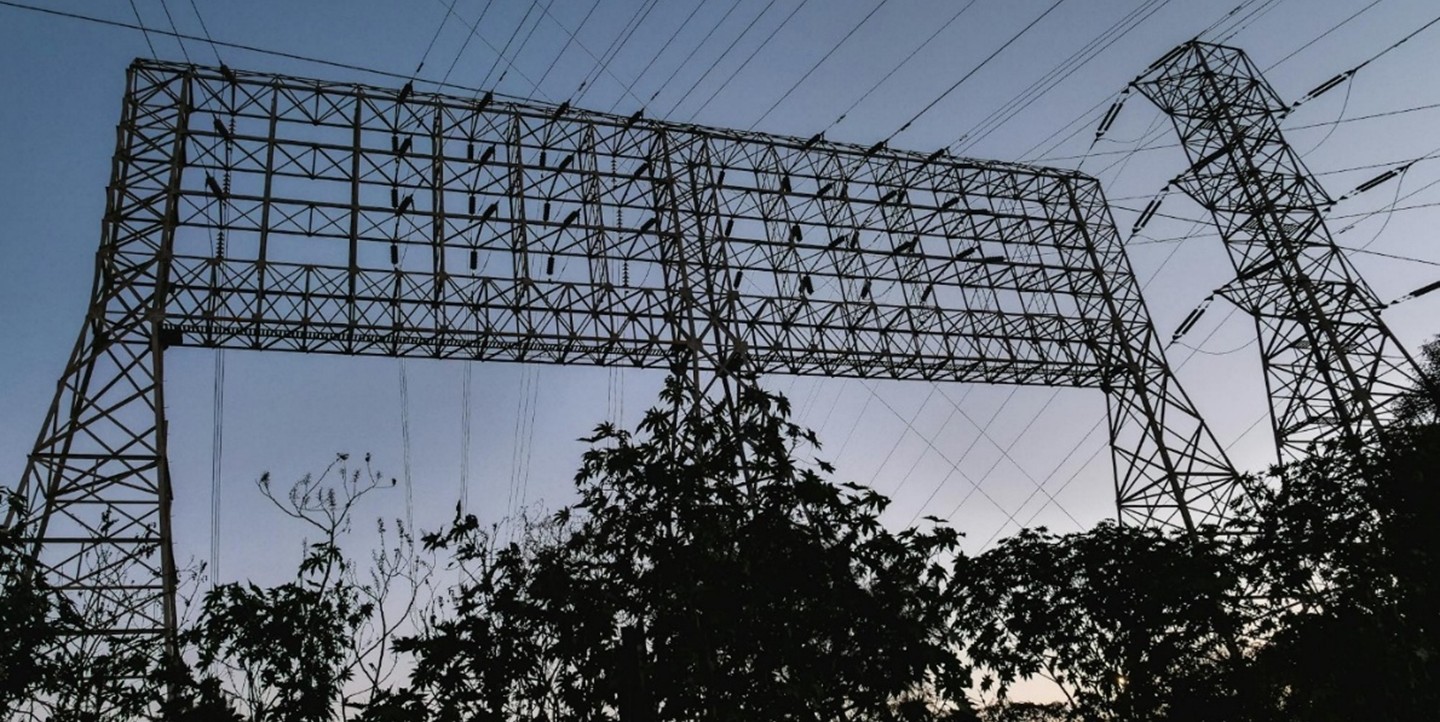
Utilities in countries such as South Korea, Italy, and Germany have moved forward with AI-powered grid intelligence, digital asset monitoring, and customer engagement. Those that delay adoption run the risk of higher costs, reduced sustainability, and lower service performance [11], as well as higher regulatory risk.
For example, in several U.S. regions where smaller municipal utilities have resisted adopting digital platforms and data-driven forecasting tools, restoration times after extreme weather events have consistently lagged behind more modernized peers. These utilities face rising outage durations and higher operational costs because they rely heavily on manual inspections and reactive maintenance instead of predictive intelligence [12].
Higher Operating Costs and Inefficiencies
AI can cut routine maintenance costs, reduce outage durations, optimize dispatch and reduce overtime. Failing to embrace these tools locks utilities into higher than necessary operational and maintenance costs and slower responsiveness to both grid events and customer needs [13].
Regulatory and Policy Disadvantages
Regulators are increasingly rewarding utilities that use advanced digital solutions to meet decarbonization and reliability targets. Missing out on such funding, rate incentives, or policy support will further strain outdated operations [14].
Loss of Talent and Innovative Capacity
Tech-savvy talent gravitates toward forward-looking companies. Utilities that do not embrace digital transformation run the risk of falling into a downward spiral where aging workforces and lagging systems discourage younger talent from joining or staying [15].
4. The Next 10 to 20 Years of Diverging Futures
The AI-Enabled Utility
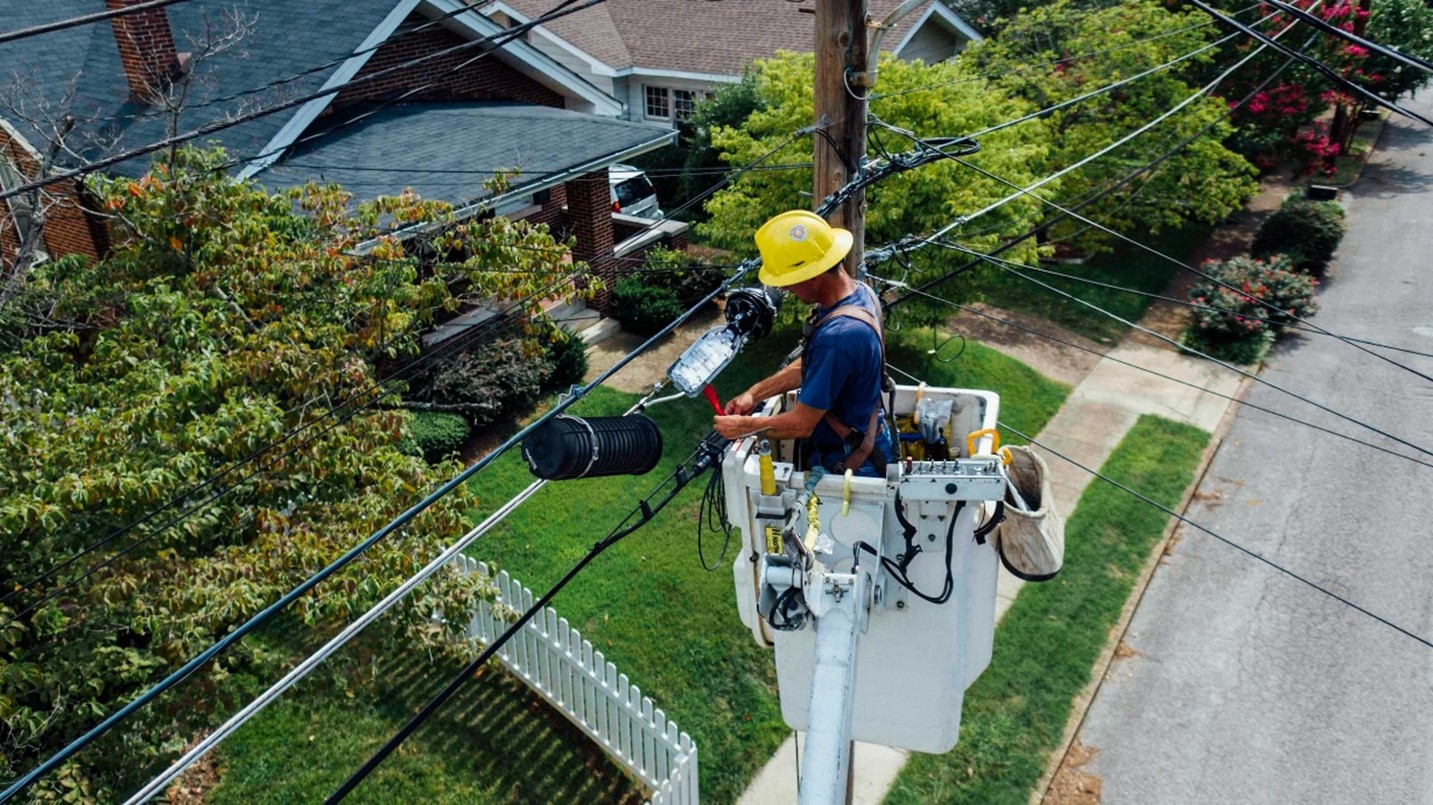
These utilities understand the importance of embedding AI within their core business and operating with agility and foresight. They experiment, are aggressive in market outreach and conduct pilot efforts to test and confirm the ability of each new technology to improve their capabilities. They use AI to forecast demand, manage distributed energy resources, enhance outage readiness and response, and personalize customer solutions. Their cost structures are leaner, their emissions are lower, their customers are more engaged and their regulators happier [16].
The Shielded Utility
By contrast, utilities that hesitate and delay these investments will remain dependent on legacy protections such as rate structures, regulated monopolies, and outdated technologies. Eventually, they face rising costs, regulatory criticism, and public frustration as they struggle to keep up with increasingly dynamic energy systems [17].
Final Thoughts
Fear of artificial intelligence in the utility sector is not irrational. However, continuing to delay meaningful digital transformation is no longer a viable long-term strategy. The industry’s future will be defined by its ability to integrate intelligence into every layer of the grid, from field operations to customer platforms [18].
The question for utilities is no longer whether AI should be adopted, but how quickly and effectively it can be done, and where to focus it first. The sooner utilities act, the better they will be able to protect their operations, empower their workforce, and serve their communities.
ISL Analytics is poised to become a leader in this space, having developed extensive AI and ML solutions to support this transition. DRx Weather Guard gives utilities the ability to anticipate and prepare for severe weather events, improving crew readiness and minimizing downtime. EV Prophet helps grid planners and asset managers forecast and manage the impact of electric vehicle adoption on local infrastructure. AERO equips utilities with a data-driven framework to evaluate and prioritize asset investments by modeling the economic risk of failure across transmission and distribution systems, enabling smarter decisions that align with both reliability goals and regulatory expectations. SOS integrates these solutions to optimize capital investment effectiveness and yields for customers and shareholders alike. Together, these tools offer real-time insights that help utilities modernize, adapt, and make smarter investment decisions.
Together, these tools offer real-time insights that help utilities modernize, adapt, and make smarter investment decisions.
References
[1] What is edge AI – and why is it so important for energy delivery?
https://www.weforum.org/stories/2025/06/edge-ai-resilient-infrastructure-energy/
[2] IEA, “Digitalization and Energy”
https://www.iea.org/reports/digitalisation-and-energy
[3] McKinsey, “Utility Digital Transformation: Managing Operational Risk”
https://www.utilitydive.com/news/ai-in-the-utility-industry/543876/
[4] Overcoming Legacy System Barriers
https://senderoconsulting.com/overcoming-legacy-system-barriers/
[5] Deloitte, “Talent Transformation in Energy”
https://www.latitudemedia.com/news/how-utilities-are-designing-and-embedding-ai-operating-models/
[6] How utilities are designing and embedding AI operating models
https://www.ibm.com/topics/data-governance
[7] AI agents: greater capabilities and enhanced risks
https://www.reuters.com/legal/legalindustry/ai-agents-greater-capabilities-enhanced-risks-2025-04-22
[8] Enel’s innovation through AI
https://www.enel.com/media/word-from/news/2024/07/ai-future-on-the-road-to-innovation
[9] KEPCO Teams Up With LS Electric on Power Grid AI Monitoring
https://jakotaindex.com/news-hub/kepco-teams-up-with-ls-electric-on-power-grid-ai-monitoring
[10] Duke Energy collaborates with AWS to develop smart grid solutions
https://news.duke-energy.com/releases/duke-energy-collaborates-with-aws-to-develop-smart-grid-solutions-to-better-serve-customers-and-drive-its-clean-energy-transition
[11] AI, EVs and aging grids: South Korean grid powerhouses aim to electrify US
https://asianews.network/ai-evs-and-aging-grids-south-korean-grid-powerhouses-aim-to-electrify-us
[12] 3 ways utilities use data to improve storm response
https://www.esource.com/blog/701240mzij/3-ways-utilities-use-data-improve-storm-response-during-and-after-storm
[13] Improve predictive maintenance through the application of artificial intelligence
https://www.sciencedirect.com/science/article/pii/S2590123023007727
[14] Understanding Regulatory Frameworks for Utilities
https://blog.harbingerland.com/understanding-regulatory-frameworks-for-utilities-an-in-depth-tutorial/
[15] Bridging the utilities sector talent gap: the importance of workforce resilience
https://www.marsh.com/en-gb/industries/utilities/insights/utilities-workforce-resilience-talent-gap.html
[16] Outsmarting outages: AI predicts disruptions before they happenhttps://www.ey.com/en_us/insights/power-utilities/ai-can-help-utilities-predict-grid-outages
[17] Why Are Utilities Interested In Modernizing The Retail Rate Design?
https://duitdesign.com/why-are-utilities-interested-in-modernizing-the-retail-rate-design.html
[18] Utilities globally prioritise AI to drive digital transformation
https://www.smart-energy.com/industry-sectors/digitalisation/utilities-globally-prioritise-ai-to-drive-digital-transformation/