Fire-Risk Coordination is Now A Grid Priority
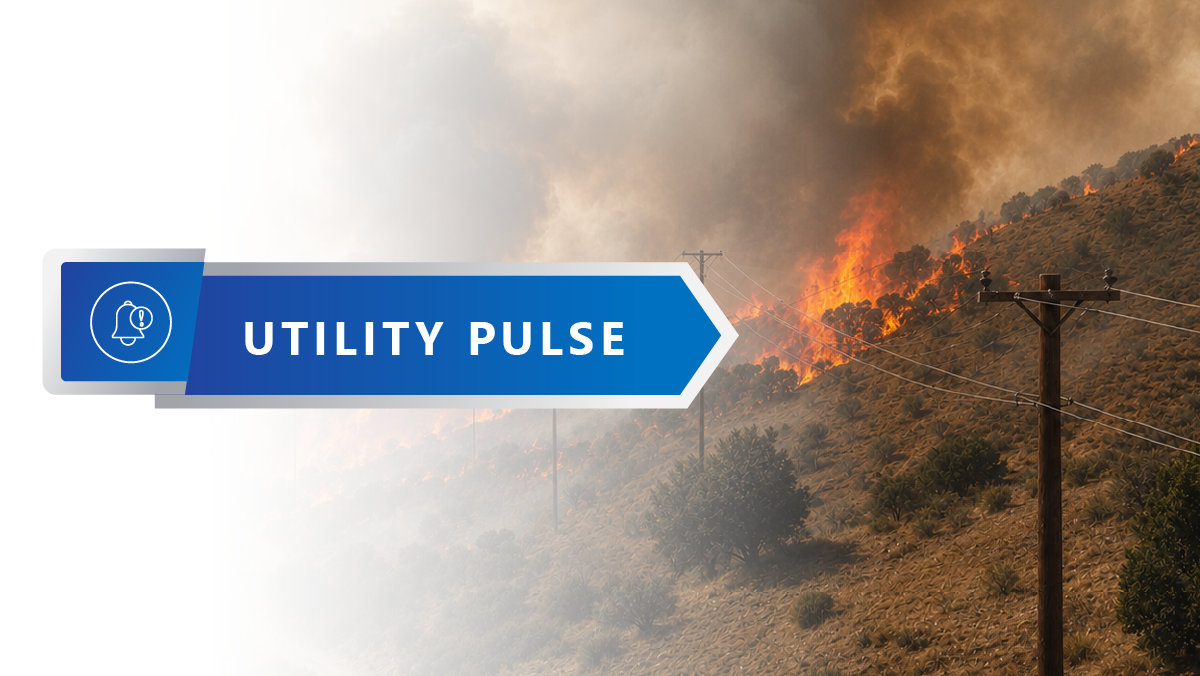
Grid resilience now requires stronger fire-risk coordination.
As fire risk expands, utilities are being pushed to think beyond emergency response. The focus is shifting toward situational awareness, mitigation planning, standards development, and stronger coordination across the industry.
A recent NERC update highlights a new Canadian Wildfire report and a Wildfire Action Plan filed with FERC, outlining work to strengthen wildfire situational awareness, mitigation, engagement, and standards development over the next three years: https://www.nerc.com/newsroom/new-report-and-action-plan-aim-to-reduce-grid-reliability-risks-from-wildfires
For utilities, this points to a broader reliability challenge. Fire risk is not only a field operations issue. It affects planning, asset management, regulatory expectations, customer impact, system resilience, and executive decision-making.
That makes documentation and coordination more important. Utilities need to understand where risk is increasing, which assets or circuits may be exposed, what mitigation actions are being taken, and how those decisions can be explained to regulators and stakeholders.
The planning value comes from turning fire-risk readiness into a structured process. When utilities can connect risk data, field actions, system exposure, and regulatory documentation, they are better prepared to make decisions before conditions become urgent.
As fire events continue to affect wider regions, stronger coordination across utilities, reliability groups, and industry programs will become increasingly important.




Embark on Solutions That Transform
