
Blog
Building Climate-Resilient Utilities With AI: Strategies and Technologies

Introduction
Extreme weather events, such as heatwaves, wildfires, hurricanes, and floods are happening more often and with greater intensity. For electric utilities, these are more than just headlines. They’re a growing source of operational and financial risk. That’s why utilities around the world are rethinking how they plan, invest, and operate to make their systems more resilient.
Across the globe, utilities are already using AI to anticipate extreme weather impacts, cut restoration times from days to hours, and prevent costly outages before they happen. From autonomous drones scanning thousands of miles of lines for early signs of damage, to predictive vegetation models that map bushfire risk with pinpoint accuracy, these technologies are reshaping how grid operators prepare for and respond to climate threats. Utilities deploying AI-driven asset monitoring have reported up to 47% reductions in unplanned downtime, significant boosts in equipment life, and measurable drops in CO₂ emissions. In storm recovery, AI-powered assessments have allowed crews to evaluate over 800,000 structures in less than 48 hours, getting power back to communities faster and more safely.
The next sections explore five proven strategies, already in action with leading utilities worldwide, that use AI and advanced analytics to strengthen infrastructure, optimize investments, and coordinate both centralized grids and decentralized systems. These examples show that climate resilience is no longer an aspirational goal. It is a measurable, achievable outcome for those who embrace data-driven decision-making today.
This article explores five key strategies where AI and emerging technologies are helping electric utilities prepare for climate impacts and bounce back faster when the unexpected happens.
1. Risk Mapping and Vulnerability Assessment
To strengthen infrastructure, utilities must first understand where it is most exposed and has the greatest vulnerabilities. AI-powered risk mapping tools allow companies to assess environmental hazards, asset conditions, and historical performance in a single, data-rich framework. These systems analyze terrain, vegetation, infrastructure age, and past outage trends to identify areas at highest risk.

What’s happening in the real world?
- [1] Avangrid has introduced “First Time Right Autopilot,” a generative AI tool that provides field technicians with real-time, expert-level support via mobile devices. Trained on internal manuals and troubleshooting guides, the tool aids in faster repairs and reduced downtime, enhancing operational efficiency.
- [2] AusNet Services in Australia partnered with AWS to use machine learning for bushfire risk mitigation. By analyzing LiDAR data, satellite imagery, and historical outage patterns, they built predictive models that classify vegetation risk and assess infrastructure exposure. These models generate detailed risk heatmaps, enabling crews to proactively identify high-threat areas and prioritize vegetation management and grid maintenance before the fire season intensifies.
Why it matters
- Enhances on-site repair accuracy and reduces downtime through expert AI support
- Improves field safety and operational planning with high-resolution, data-driven insights
- Helps allocate maintenance resources more efficiently in advance of seasonal threats
2. AI-Powered Asset Resilience and Prioritization
Artificial intelligence enables utilities to evaluate the health of grid infrastructure with greater precision. Predictive models assess asset condition, maintenance history, environmental factors, and operational load to estimate when equipment is likely to fail. This insight helps companies prioritize replacements and reinforcements before disruptions occur.

What’s happening in the real world?
- [3] Florida Power & Light (FPL) has deployed an autonomous drone-in-a-box system powered by Percepto’s AI technology to monitor key substations and distribution circuits. These drones automatically perform routine inspections, capturing high-resolution imagery and using machine learning to detect anomalies or damage to equipment. This setup enables FPL to identify issues faster, reduce inspection costs, and respond more proactively to outages and asset degradation. It is one of the largest autonomous commercial drone deployments in the utility sector and supports grid resilience across thousands of miles of infrastructure.
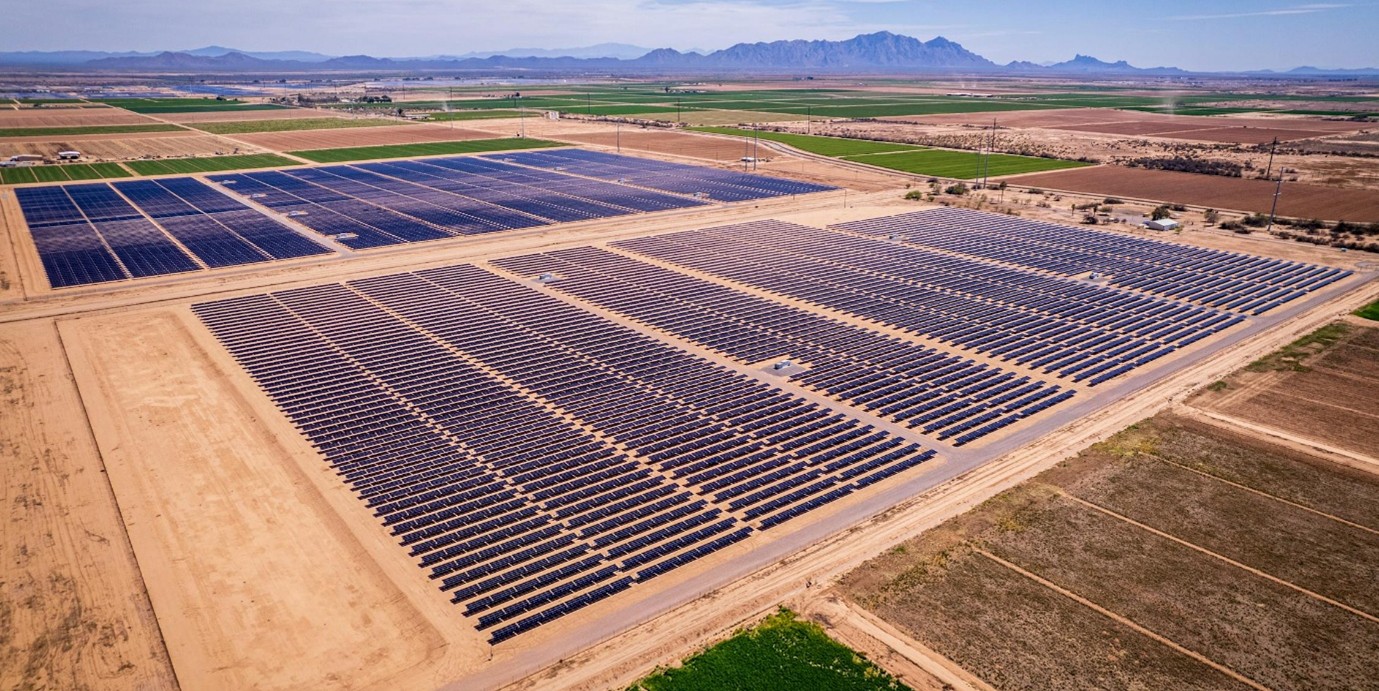
- [4] SolarTech Solutions implemented AI-driven predictive maintenance at their 75MW solar installation in Arizona. By integrating IoT sensors and machine learning algorithms, they achieved a 47% reduction in unplanned downtime, increased Mean Time Between Failures by 64%, and improved panel efficiency by 3.2%. This approach also contributed to significant environmental benefits, including a reduction of 1,960 metric tons of CO₂ emissions annually
Why it matters
- Detects equipment issues early to prevent outages
- Cuts inspection and maintenance costs with automation
- Boosts asset performance and environmental outcomes
3. Real-Time Operational Flexibility
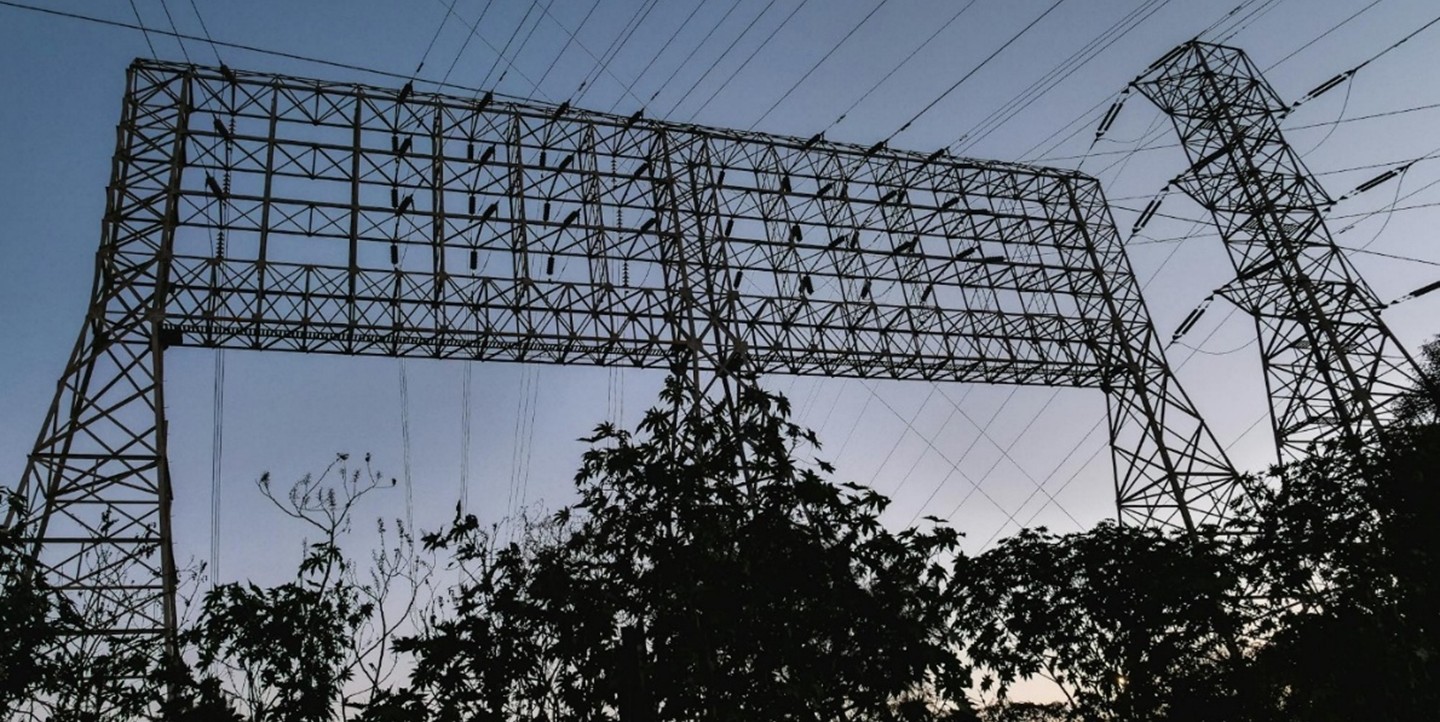
Operational flexibility is critical to grid resilience. AI technologies can process data from distributed energy resources, customer load profiles, and control systems in real time. This enables utilities to adjust grid operations dynamically, ensuring service continuity even under stress.
What’s happening in the real world?
- [5] Southern California Edison partnered with Utilidata to deploy Karman, an edge AI platform that forecasts load and solar generation in real time. It enabled autonomous DER control at the meter level and cut peak demand by 27%.
- [6] Landis+Gyr has implemented AI-informed meter-to-transformer mapping solutions that deliver real-time insights at the grid edge to utility operations teams. This enhanced visibility into phase-level consumption and transformer loads enables faster decision-making and more agile grid control during demand fluctuations.
Why it matters
- Supports meter-level grid control for faster, localized responses
- Cuts peak demand and improves solar forecasting
- Enhances visibility into load patterns and grid stress points for better operational decisions
4. Improving Emergency Response and Recovery
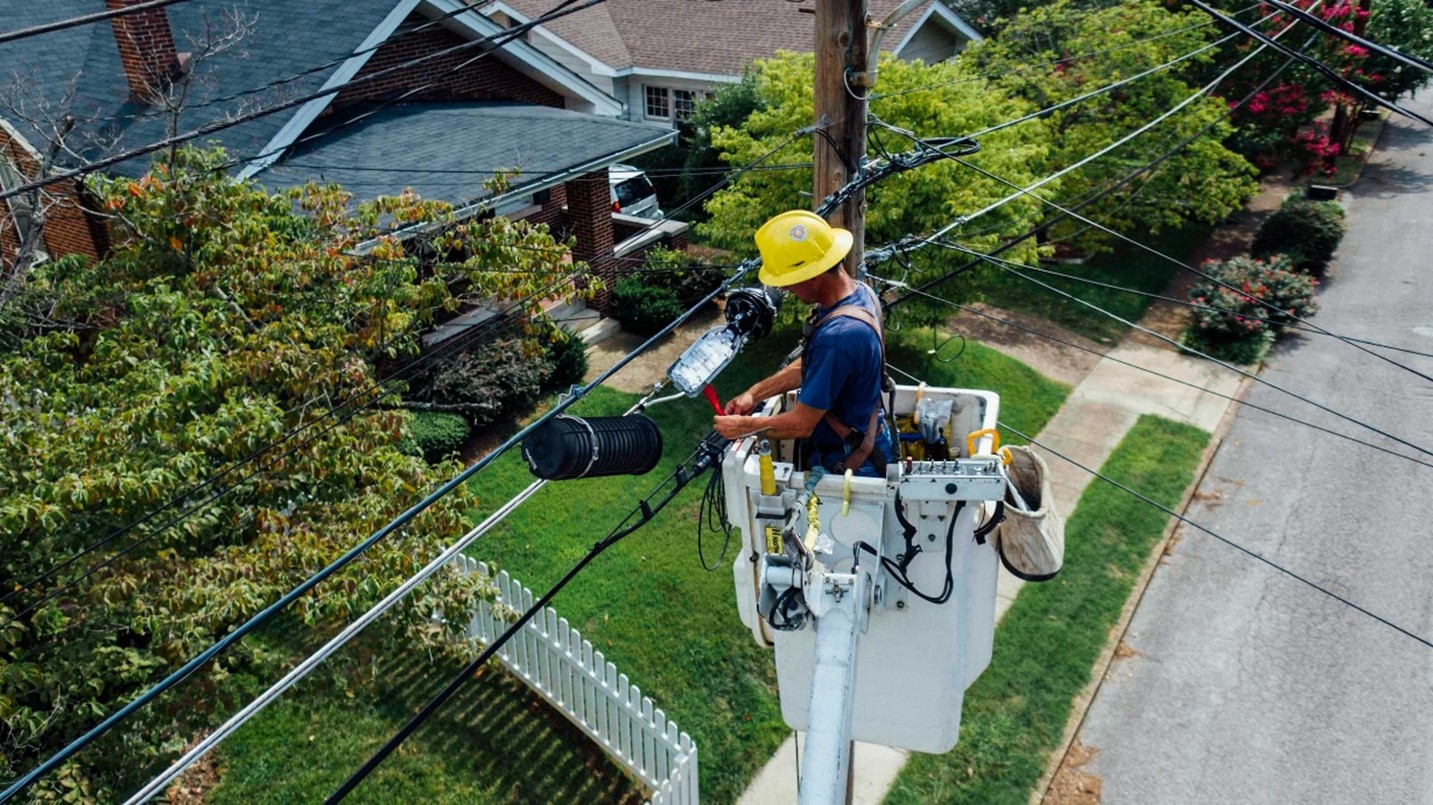
Artificial intelligence transforms emergency preparedness by helping utilities predict damage patterns, mobilize crews efficiently, and communicate more clearly with stakeholders. Real-time analytics paired with weather, sensor, and outage data improve the utility’s ability to restore service quickly and safely.
What’s happening in the real world?
- [7] Florida Power & Light uses AI and drones for post-storm assessments. After Hurricane Ian, their AI system helped assess over 800,000 structures in under 48 hours, allowing crews to focus on verified damage zones instead of relying solely on much slower manual inspection or limited situational awareness.
- [8] Tokyo Electric Power Company Holdings (TEPCO) deployed an AI-based outage response system to Hawaiian Electric employs real-time distributed sensor data and AI-based analytics to manage crew dispatch during tropical storms. By predicting potential outage locations, they accelerate grid restoration and improve safety for field teams.
Why it matters
- Gets the lights back on faster for more people
- Helps utilities communicate clearly with customers during crises
- Protects field workers by guiding them away from hazardous areas
5. Supporting Decentralized and Resilient Energy Systems
Climate-resilient utilities don’t just rely on central grids. They support microgrids, storage, and customer-owned generation. AI plays a major role in making these systems work together smoothly.
What’s happening in the real world?
- [9] Hawaiian Electric uses AI to balance grid-connected solar and storage with traditional generation. Their system predicts localized outages and shifts load to nearby microgrids when needed.
- [10] Sonnen, a Germany-based battery company, has partnered with utilities to create “virtual power plants” from home batteries. AI coordinates energy use across thousands of homes, helping stabilize the grid when major weather events disrupt supply.
- PG&E uses remote microgrids with an intelligent energy management system to serve customers in high-fire-threat areas. This allows the utility to reduce wildfire risk by eliminating vulnerable overhead power lines.
Why it matters
- Creates backup power options during outages
- Reduces stress on the central grid, and eliminate fire risk from supplies to remote communities
- Builds long-term resilience with community-based energy
Final Thoughts
The rising pressure of climate-related disruptions is challenging utilities to rethink how they operate and plan for the future. Resilience can no longer be treated as a secondary objective. It must be a core part of daily operations, long-term strategy, and community responsibility.
Across the industry, leading utilities are proving that data-driven strategies lead to better outcomes. Artificial intelligence and advanced analytics are giving teams the power to anticipate risks, respond with precision, and build systems that can withstand future uncertainty. These technologies are now well beyond theoretical. They are already delivering measurable improvements in service reliability, asset performance, and emergency response.
ISL Analytics is poised to become a leader in this space, having developed extensive AI and ML solutions to support this transition. DRx Weather Guard gives utilities the ability to anticipate and prepare for severe weather events, improving crew readiness and minimizing downtime. EV Prophet helps grid planners and asset managers forecast and manage the impact of electric vehicle adoption on local infrastructure. AERO equips utilities with a data-driven framework to evaluate and prioritize asset investments by modeling the economic risk of failure across transmission and distribution systems, enabling smarter decisions that align with both reliability goals and regulatory expectations. SOS integrates these solutions to optimize capital investment effectiveness and yields for customers and shareholders alike. Together, these tools offer real-time insights that help utilities modernize, adapt, and make smarter investment decisions.
Together, these tools empower utilities to make decisions that are proactive and strategic, supporting the ongoing pursuit of resilience. Achieving operational excellence in a changing climate is an evolving goal, and ISL Analytics is committed to helping utilities take measurable steps toward it.
References
[1] Avangrid – Generative AI for Field Operations
https://solarquarter.com/2025/03/25/avangrids-first-time-right-autopilot-revolutionizes-field-operations-with-generative-ai
[2 Bushfire mitigation through Machine Learning with AusNet and AWS
https://aws.amazon.com/blogs/machine-learning/bushfire-mitigation-through-machine-learning-with-ausnet-and-aws
[3] PG&E wildfire resilience infrastructure assessment
https://www.pge.com/en/newsroom/currents/safety/three-year-wildfire-mitigation-plan-builds-upon-proven-layers-of.html
[4] AI-Powered Predictive Maintenance for Solar Energy Systems
https://www.islanalytics.com/wp-content/uploads/2025/08/30731.pdf
[5] Southern California Edison – Real-Time DER Forecasting with Edge AI
https://utilidata.com/press-release/utilidata-s-ai-platform-demonstrates-breakthrough-in-real-time-der-management
[6] andis+Gyr Enhances Grid-Edge Visibility with AI Analytics https://www.renewableenergyworld.com/power-grid/smart-grids/heres-how-utilities-are-using-ai-to-improve-visibility-at-the-grid-edge-and-benefit-ratepayers/
[7] Florida Power & Light AI-guided storm recovery (Hurricane Ian)
https://newsroom.fpl.com/Advanced-tech-improves-FPL-resiliency-and-emergency-response
[8] TEPCO AI-based flood response and crew optimization
https://enkiai.com/tepco-ai-initiatives-for-2025-key-projects-strategies-and-partnerships
[9] Hawaiian Electric solar and microgrid integration with AI
https://www.ainvest.com/news/hawaiian-electric-grid-resilience-catalyst-renewable-energy-growth-pacific-2507/
[10] Sonnen virtual power plant programs with utility partnerships
https://www.utilitydive.com/news/replicate-wattsmart-sonnen-ceo-aims-to-replicate-utah-success/711310/
[11] Standing in the Fire Zone: PG&E’s Briceburg Microgrid
https://www.microgridknowledge.com/microgrids/critical-services/article/33037983/gift-that-keeps-on-giving-pges-briceburg-microgrid