Climate Risk Requirements Earlier Grid Awareness
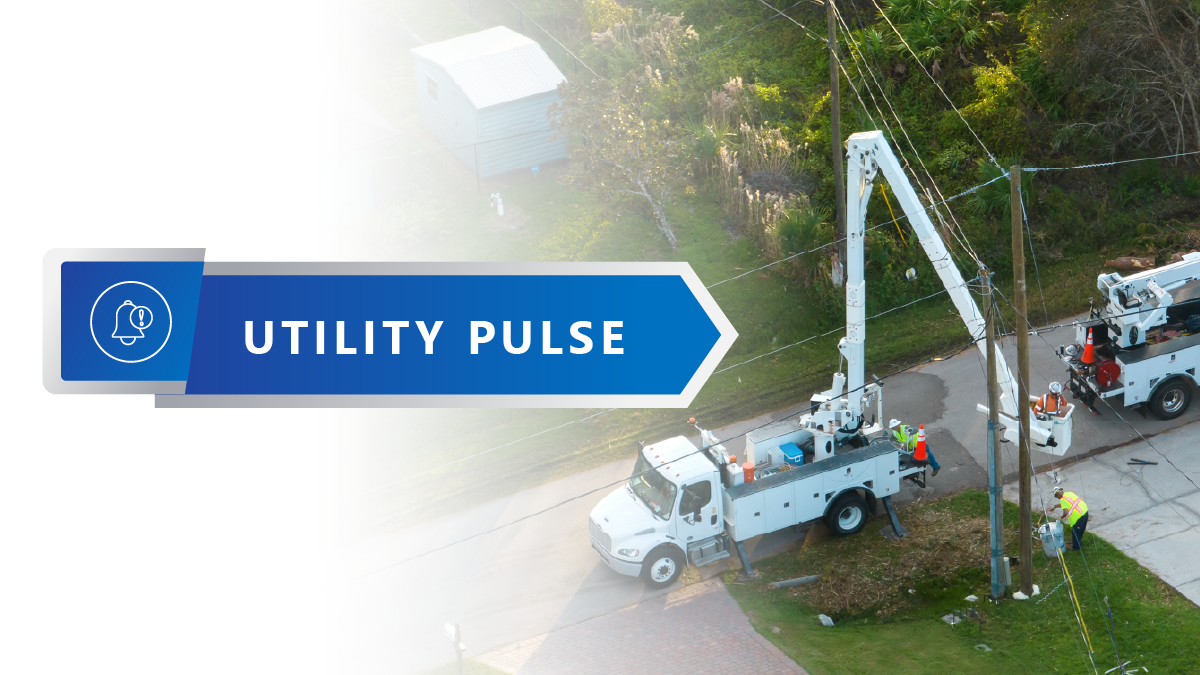
Climate-risk visibility is becoming part of utility planning.
Utilities are facing a more complex resilience challenge as storms, wildfire exposure, vegetation risk, and aging infrastructure place more pressure on grid operations. The issue is no longer only how utilities respond after an event. It is how early they can see risk forming across their service territory.
AiDASH highlighted Schneider Electric’s commitment to tackling climate risks, including the use of satellite imagery and AI to help utilities identify and respond to risks such as wildfires and storms: https://www.aidash.com/news/aidash-schneiders-commitment-to-tackling-climate-risks/
For utilities, this points to a broader shift in resilience planning. Climate risk is becoming more connected to asset management, vegetation programs, grid modernization, outage planning, and capital prioritization.
That matters because remote monitoring and risk intelligence can help utilities move from broad regional awareness to more practical planning inputs. Teams need to understand which areas are exposed, which assets may be affected, and where action should be prioritized before conditions escalate.
The next phase of resilience planning will depend on how well utilities connect climate-risk data, infrastructure visibility, and operational readiness.


Embark on Solutions That Transform
